Neuromodulators Injection

( Botox ®, Dysport ®, Xeomin ®, etc.)

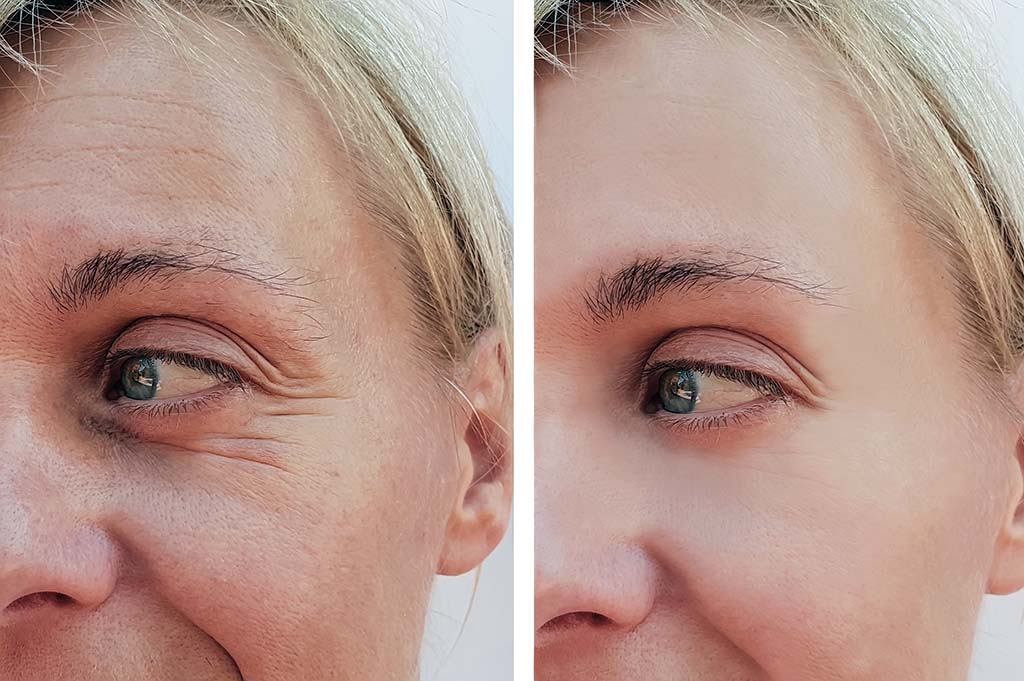
Neuromodulators also known as neurotoxins (Botox, Dysport, Xeomin) are the most popular non-surgical cosmetic treatment, with more than 6 million Botox treatments administered each year. Botox injections are noted primarily for the ability to reduce the appearance of facial wrinkles. They’re also used to treat conditions such as neck spasms (cervical dystonia), excessive sweating (hyperhidrosis), an overactive bladder and lazy eye. Botox injections may also help prevent chronic migraines.

Medical Purpose of Neuromodulators:

How DOES it work?

Botox injections use a toxin called onabotulinumtoxinA to temporarily prevent a muscle from moving. This toxin is produced by the microbe that causes botulism, a type of food poisoning. Neuromodulators begin to take effect 3 to 4 days after injection by gradually relaxing the targeted muscles. The full effect is visible within two weeks, at which point muscle movement in the area is temporarily inhibited. These results typically last 3 to 6 months, depending on the treatment area.

Where We Use Neuromodulators in Cosmetic Treatments?

The most common use of these injections is to temporarily relax the facial muscles that cause wrinkles in the forehead and around the eyes. Examples include:
Is Botox injection safe?
Although botulinum toxin is life-threatening, small doses — such as those used in the application of Botox — are considered safe. ... Still, the overall risk is minimal, and Botox is considered safe overall. You should always go to a board-certified dermatologist or plastic surgeon for Botox injections.
Can Botox ruin your face?
Botox doesn't actually erase wrinkles Its active ingredient “freezes” facial muscles to keep you from contracting them in ways that deepen lines and wrinkles. “Any line that is present at rest, whether it is an etched in frown line, or a deep wrinkle, is not going to disappear with Botox.
Who should not get Botox?
People who are pregnant, breastfeeding, or have a neurological disease should not use Botox. Since Botox doesn't work for all wrinkles, you should consult with a doctor first.

BENEFITS AND PRECAUTIONS

Botox is most effective on wrinkles that haven’t quite set — “dynamic” wrinkles that appear while you’re moving your face, such as when you frown. “If you don’t move the muscle too much, you won’t form the wrinkle,” says Columbia University dermatologist Monica Halem, MD. She considers Botox preventive.

If you’re breastfeeding, pregnant, or plan to become pregnant, the FDA recommends that you talk to your doctor before starting Botox, Dysport, or Xeomin.

Uses

The primary use of Botox is reducing the appearance of facial wrinkles.

According to the American Board of Cosmetic Surgery, Botox injections are the most popular cosmetic procedure nationwide. In 2016, over 7 million people had Botox treatments.

The effects of Botox are temporary, lasting 3–6 months, depending on the treatment area.

North York Cosmetic Clinic

A Medical Professional

Aesthetic Center

botox injection

… In rare cases, an individual may have a genetic predisposition that results in a mild, transient unusual response to the drug.

Does it have any risk and side effects

Botox injections Possible side effects and complications include:

Aftercare Precautions:

Stay Upright: Do not lie down or bend over for 4 hours.

No Touching: Do not rub or massage the treated area for 24 hours.

No Exercise: Avoid strenuous workouts for 24 hours.

Avoid Heat: No saunas, hot tubs, or direct sun exposure for the rest of the day.

Alcohol: Avoid alcohol for 24 hours to prevent bruising.

Facials: Wait 2 weeks before any facial massages or laser treatments.

Makeup: You may apply makeup gently after 24 hours; do not press hard on the skin

clients Review

WHAT OUR HAPPY CLIENT SAY