
A wider part or thinner ponytail can make you reconsider your usual hair routine. When you start exploring treatments, one practical question often comes first: how many appointments will you need?
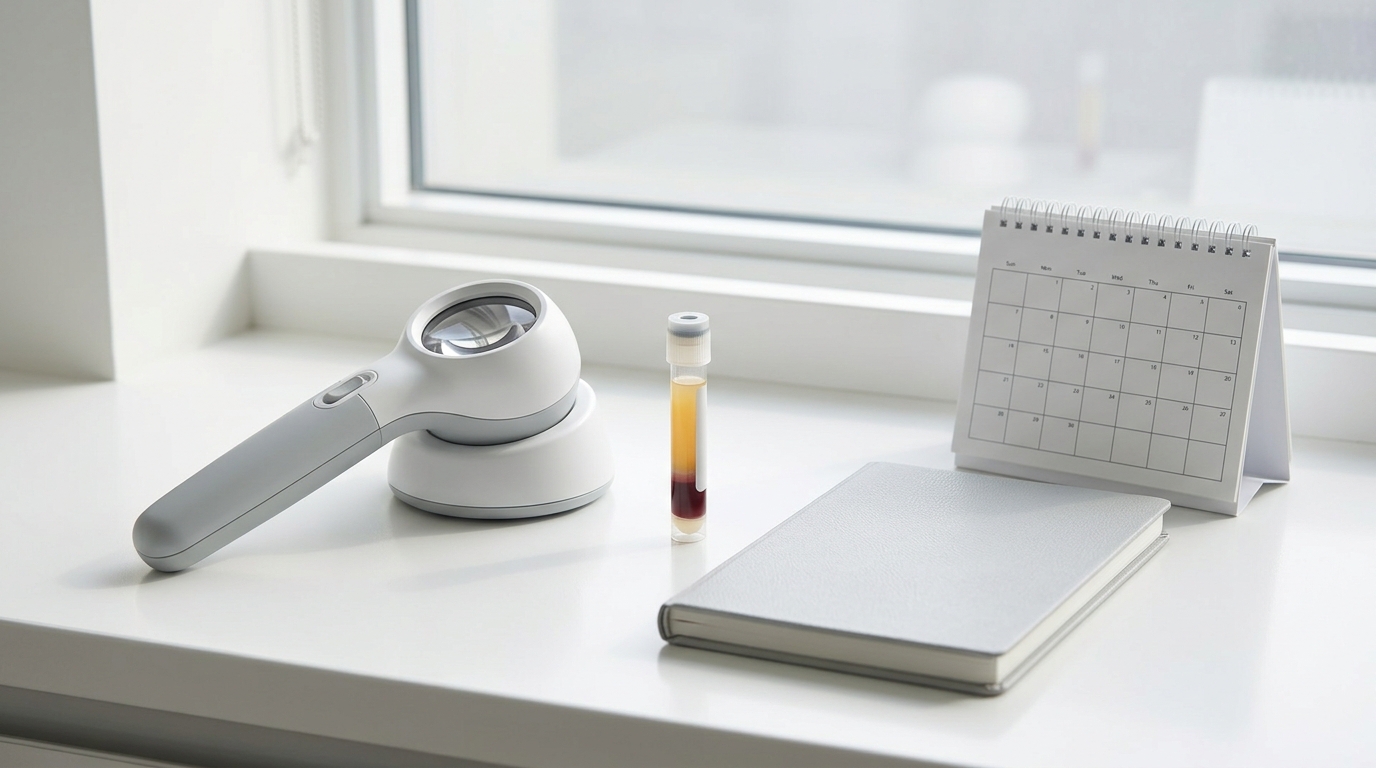
A common starting plan involves three PRP hair treatment sessions, spaced about one month apart. Maintenance treatments may follow every three to six months, depending on your response. This schedule is a starting point, rather than a prescription for everyone.
If you are considering PRP in North York, understanding that timeline helps you plan realistically. Your diagnosis, scalp condition and treatment goals should guide the final schedule.
What Is PRP Treatment for Hair Loss?
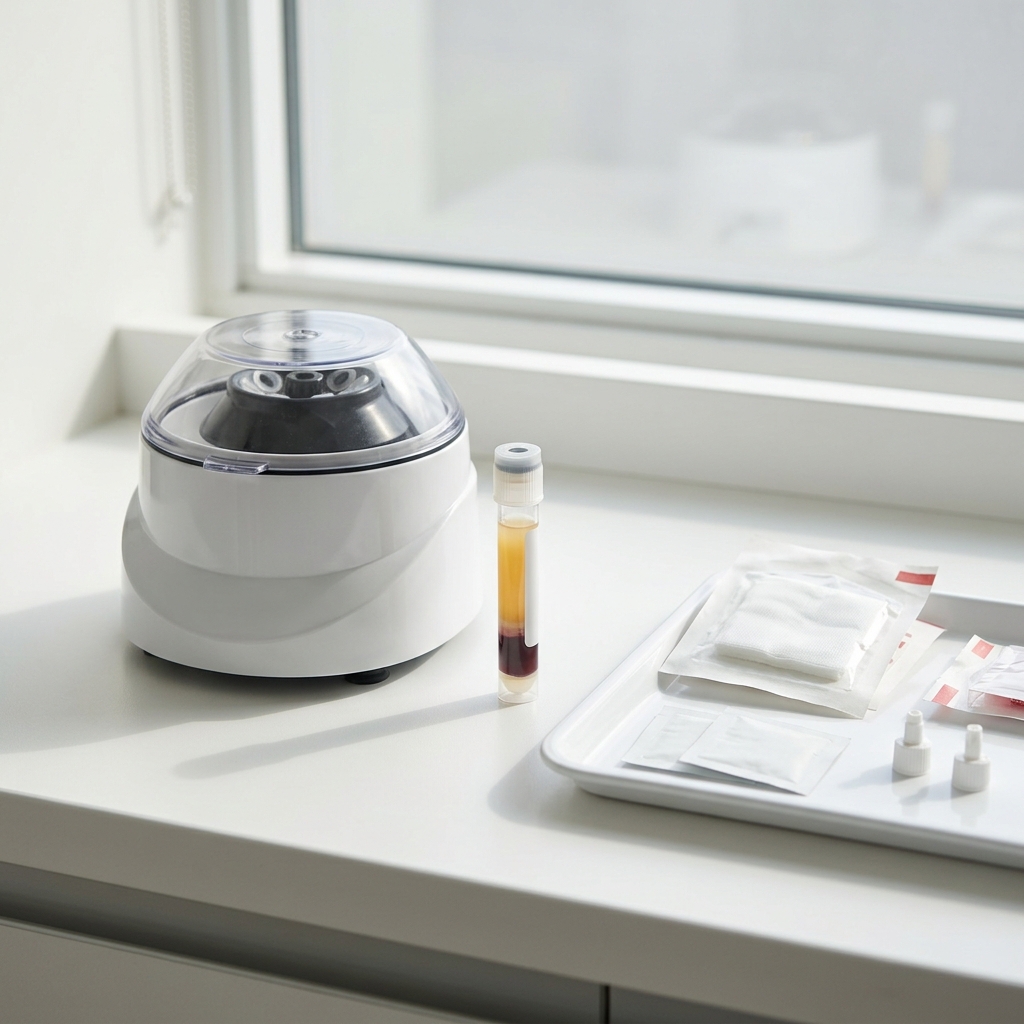
Platelet-rich plasma hair treatment, or PRP, uses a sample of your own blood. A centrifuge separates the sample, allowing the provider to collect a platelet-rich portion. This preparation is then injected into selected areas of the scalp.
Platelets contain growth factors that may support activity around existing hair follicles. Researchers have studied this approach mainly for androgenetic alopecia, also called pattern hair loss.
The aim is to improve hair density where suitable follicles remain. PRP does not create new follicles or guarantee complete hair restoration.
Why Does PRP Usually Require Several Sessions?
A single appointment rarely provides enough information to judge your treatment response. Hair changes take time, and published studies commonly use a series of injections.
An umbrella review recommended at least three treatments, delivered at monthly intervals. However, preparation methods and treatment schedules still vary across the research.
Repeated appointments also provide opportunities to review your scalp and discuss concerns. Your provider can compare progress before deciding whether further treatment makes sense.
Think of the initial series as a monitored trial of treatment. Completing appointments does not automatically mean you should continue indefinitely.
What Does a Typical PRP Treatment Schedule Look Like?
First appointment: Your provider assesses your scalp and records baseline photographs before the initial treatment.
About four weeks later: You return for a second treatment and discuss your experience.
About eight weeks after starting: A third treatment completes this commonly used initial series.
Follow-up assessment: Your provider reviews progress before recommending maintenance or another approach.
A randomized trial examined three monthly sessions followed by a later booster. It compared this schedule with a less frequent treatment approach. This illustrates why appointment spacing matters alongside the total session count.
Your clinic may recommend a different schedule based on its protocol. Ask why that plan suits your diagnosis and when results will be reviewed.
Are Three PRP Sessions Enough?
Three sessions can be a reasonable initial course for someone with suitable pattern hair loss. They should not be presented as a guaranteed route to thicker hair.
A 2023 analysis of nine randomized trials found improved hair density compared with placebo. Differences were measured at three and six months. However, improvements in hair diameter were less clear when compared with placebo.
That distinction matters when setting expectations for your own treatment. More hairs within a measured area do not necessarily mean dramatic cosmetic coverage.
Further sessions should have a clear reason, supported by your progress. If improvement remains unclear, reviewing the diagnosis may be more useful than extending treatment.
When Can You Expect to See Results?
PRP hair treatment results develop gradually, so weekly mirror checks can become frustrating. Research commonly measures changes over several months rather than immediately after injections.
An assessment around three to six months from starting treatment can help evaluate progress. This reflects common research checkpoints, rather than a deadline for guaranteed regrowth.
Use photographs taken with similar lighting, angles and hair positioning. Different styling or a freshly washed scalp can change how dense your hair appears.
Ask your provider how improvement will be measured before your first session. Clear records make follow-up decisions easier for both of you.
Will You Need Maintenance PRP Sessions?
PRP maintenance sessions are commonly considered every three to six months after the initial series. The American Academy of Dermatology describes this pattern in its patient guidance.
However, the best maintenance interval has not been established for every patient. A review of randomized trials highlighted substantial differences between studies and possible publication bias. Further high-quality research remains necessary.
Maintenance should therefore be discussed alongside your measured response and overall treatment plan. Ask what benefit the next session is expected to provide.
What Can Change the Number of Sessions You Need?
The cause of your hair loss comes first. Gradual hereditary thinning and sudden shedding require different assessments. Depending on your symptoms, a clinician may recommend blood tests or further scalp evaluation.
The treatment method also matters. Studies use different preparation techniques, injection approaches and appointment schedules. These differences make a single universal session count difficult to establish.
Your response should guide the next step. Discuss whether photographs or scalp measurements show meaningful improvement. Your budget and comfort with ongoing appointments belong in that conversation too.
Sudden patchy loss, scalp pain or visible inflammation deserves medical assessment before cosmetic treatment. Booking a package should come after understanding the problem.
Can PRP Be Combined With Other Hair Loss Treatments?
PRP for hair loss may form one part of a broader treatment plan. Researchers have examined combinations involving minoxidil and other approaches, with encouraging but variable findings.
Combining treatments requires individual advice about suitability, benefits and possible side effects. Do not stop prescribed medication simply because you have booked PRP.
Tell your provider about your current treatments before agreeing to a schedule. This also helps clarify which changes might explain any improvement.
What Should You Ask Before Booking?
Before choosing a course of hair loss treatment in North York, ask what diagnosis explains your thinning. Your provider should explain why PRP is appropriate and how many initial sessions are recommended.
Discuss when your progress will be assessed using photographs or measurements. Ask what happens if the initial course produces little improvement.
You should also understand possible side effects and the recommended aftercare. Confirm whether the quoted price includes follow-up appointments or whether maintenance costs are separate.
A useful consultation gives you a plan you understand clearly. It should also explain the limitations without promising a particular amount of regrowth.
Frequently Asked Questions
Is One PRP Session Enough for Hair Loss?
One session is generally insufficient to assess PRP as a complete treatment course. Published protocols commonly involve repeated appointments, often beginning with three monthly sessions.
How Far Apart Should PRP Hair Treatments Be?
Initial treatments are commonly spaced approximately one month apart in published recommendations. Your provider should explain any different interval suggested for your situation.
Does Needing More Sessions Mean PRP Is Working Better?
A higher session count alone does not demonstrate a better response. Additional treatment should be justified through assessment and a clear discussion of expected benefit.
Can Women Have PRP for Thinning Hair?
PRP has been studied for both male and female pattern hair loss. Suitability depends on diagnosis and individual assessment, rather than gender alone.
What If My Hair Looks Unchanged After Three Sessions?
Discuss your progress with the treating clinician before booking further appointments. Review the assessment timeline, baseline records and whether another treatment would be more appropriate.
Will PRP Permanently Cure Pattern Hair Loss?
PRP should not be presented as a permanent cure for hereditary thinning. Repeat treatments are commonly used, and individual outcomes remain variable.
Planning Your Next Step
If you are exploring PRP in North York, begin with a conversation about your hair loss. Contact North York Cosmetic Clinic at +1(647)358-9622 to ask about consultation options. Discussing suitability, session spacing and follow-up can help you make an informed decision.