If your skin has been looking a little uneven lately — sun spots, redness, that dull “tired” tone we all get after a Canadian summer — you’ve probably come across IPL Photofacial in your search for a fix. It’s one of the most popular non-surgical treatments out there right now, and for good reason: no scalpels, no weeks of hiding indoors, just a straightforward way to get your skin looking like itself again.
That said, walking into your first appointment without knowing what to expect can make anyone a little nervous. At North York Cosmetic Clinic, this is honestly one of the questions we hear most often — “what do I actually need to do before my IPL session?” So we put together this guide to walk you through it, from the weeks before your appointment right through to aftercare.
So, What Exactly Is an IPL Photofacial?
IPL stands for Intense Pulsed Light, and unlike a traditional laser that uses one focused wavelength, IPL fires off multiple wavelengths of light at once. That’s actually what makes it so versatile — it can reach different concerns sitting at different depths in the skin, all in a single treatment.
People typically book IPL Treatment to deal with things like:
- Sun spots and age spots
- Blotchy or uneven skin tone
- Facial redness
- Mild rosacea
- Freckles
- Small visible blood vessels
- General early signs of aging
Here’s roughly how it works: the light energy gets absorbed by pigment and blood vessels beneath the surface, and your body then does the rest — gradually clearing away that unwanted pigment on its own. The appeal for most clients is simple: real results, minimal downtime, and a plan that can be tailored to your specific skin.
Book a Consultation First — Don’t Skip This Step
Before anything else, you’ll want a proper skin consultation. This isn’t just a formality — it’s genuinely where the treatment plan gets built around your skin, not a generic one-size-fits-all approach.
During your consultation, expect your provider to ask about things like:
- What’s currently in your skincare routine
- Any cosmetic treatments you’ve had done before
- Medical history
- Medications you’re taking
- How much sun exposure you’ve had recently
This is also your chance to ask whatever’s on your mind. Worried about pain? Curious how long recovery really takes? Not sure if IPL is even right for your skin type? Bring it all up now, before you’re in the treatment chair.
Stay Out of the Sun Beforehand
If there’s one rule that matters more than almost anything else, it’s this: protect your skin from the sun in the weeks leading up to your appointment.
Tanned or sunburned skin reacts differently to light-based treatments, and not in a good way — it can throw off how your skin responds and increase sensitivity. So in the run-up to your session:
- Wear sunscreen every day, not just on sunny ones
- Skip the tanning bed entirely
- Cover up outdoors when you can
- Try to limit direct sun exposure generally
This one’s especially worth taking seriously if you’re here in North York or anywhere across the GTA, since even our “mild” seasons can sneak up on your skin more than you’d expect.
Pause Certain Skincare Products
Some of the products already in your bathroom cabinet might need a short break before treatment. Anything that ramps up skin sensitivity is worth pausing, including:
- Retinol or prescription retinoids
- Strong exfoliating acids
- Certain acne medications
- Harsh physical scrubs
Cutting these out temporarily just lowers the odds of irritation during and after your session. That said, always run this by your provider first — everyone’s routine is a little different, and your specific skin condition matters here.
Hold Off on Waxing and Other Treatments
In the days leading up to your appointment, it’s best to avoid:
- Waxing
- Chemical peels
- Heavy exfoliation
- Any aggressive facial treatments
Shaving is fine, since it doesn’t disturb the upper skin layer the way waxing does. Your clinic will walk you through anything specific based on the area you’re treating.
The Day Of: Come In With Clean Skin
On appointment day, skip the makeup routine entirely. That means no:
- Foundation or makeup
- Heavy moisturizer
- Perfume
- Self-tanner
The goal is bare, product-free skin so the device can do its job safely. It’s also worth wearing something comfortable, and if the treatment area is anywhere near your eyes, tossing a pair of sunglasses in your bag isn’t a bad idea — your eyes can feel a bit sensitive afterward.
What Actually Happens During Treatment
First-timers are almost always a little nervous, but honestly, the process itself is pretty simple. Here’s the general flow:
- Your skin gets cleansed.
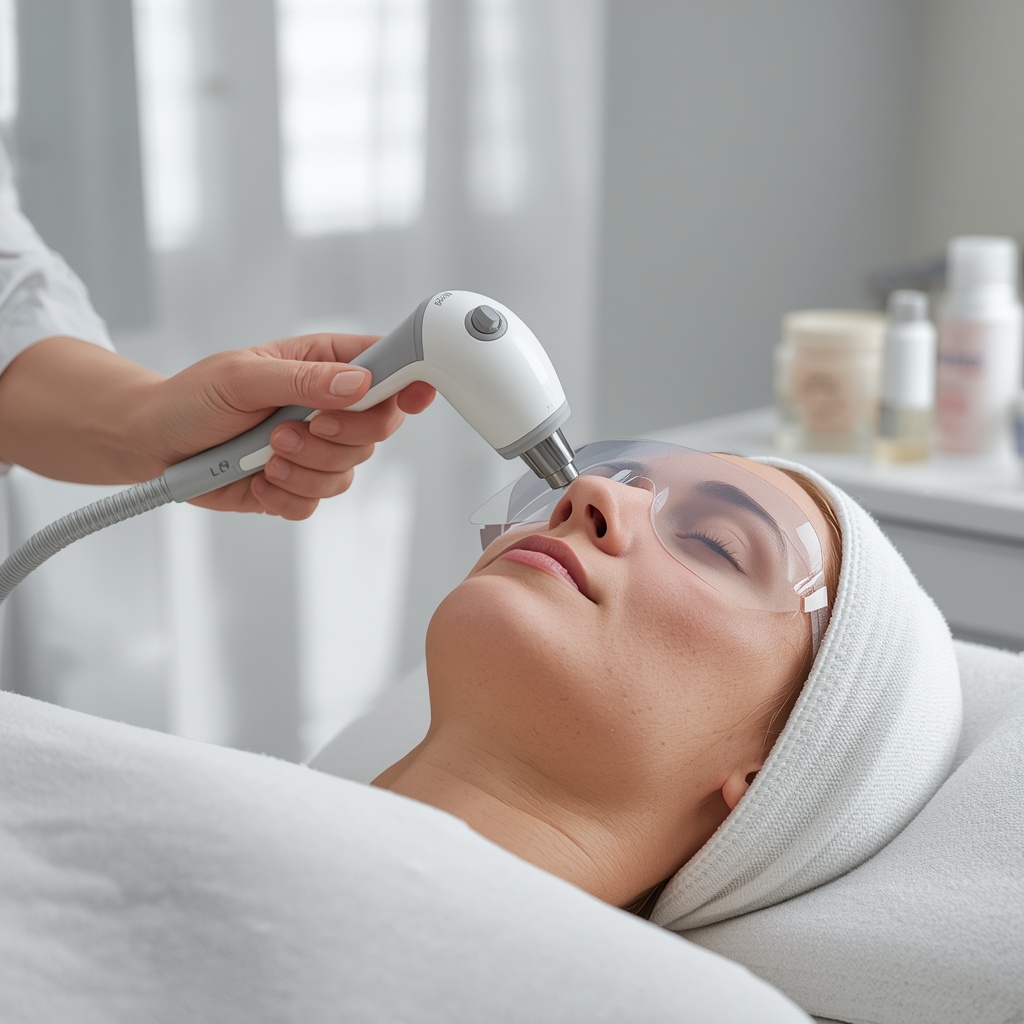
- You’ll be given protective eyewear.
- A cooling gel is usually applied.
- The IPL device delivers a series of light pulses.
- Your skin is cleaned and protected once it’s done.
Most people say it feels like a quick snap — similar to a small rubber band flick against the skin. Depending on the treatment area, sessions usually wrap up somewhere between 30 and 60 minutes.
Taking Care of Your Skin Afterward
Aftercare is where a lot of your results actually come from, so don’t skip it. Once your treatment is done:
- Wear sunscreen daily, without exception
- Stay out of direct sunlight
- Keep your skin moisturized
- Hold off on harsh products for a while
- Follow whatever specific instructions your provider gives you
Some redness or warmth is completely normal right after. You might also notice pigmented spots looking darker for a bit before they fade — that’s just your skin doing its natural renewal process. Results tend to build gradually over the following weeks.
How Many Sessions Will You Actually Need?
That really comes down to your skin and your goals. Some people see a noticeable difference after just one visit, while others — especially those dealing with stubborn pigmentation, redness, or deeper sun damage — benefit from a few sessions spaced out over time.
A few things influence how many treatments make sense for you:
- Your overall skin condition
- The type of pigmentation you’re dealing with
- What results you’re hoping for
- Lifestyle factors
- How much sun exposure you typically get
Your provider will map this out with you during your consultation.
Is IPL Photofacial Right for You?
IPL works well for a lot of people, but it’s not automatically the right call for everyone. A proper evaluation matters, especially if any of the following apply to you:
- You have very sensitive skin
- You’re dealing with an active skin infection
- You’re pregnant
- You’ve had significant recent sun exposure
- You’re on certain medications
None of this means IPL is off the table — it just means a consultation is the safest way to figure out if it’s a good fit.
Frequently Asked Questions
Does an IPL Photofacial hurt? Not really — most people describe it as a mild snapping sensation. Cooling technology and the right settings keep it comfortable for the vast majority of clients.
How long does a session take? Usually somewhere in the 30-to-60-minute range, depending on the size of the area being treated.
Can I wear makeup right after? Better to wait. Your provider will let you know when it’s safe to get back to your normal routine.
How soon will I actually see results? Most people start noticing changes within a few weeks, with improvement continuing as the skin renews itself naturally.
Is there any downtime? Very little. You might get some mild redness, slight swelling, or temporary darkening of spots, but it typically clears up fast.
What’s the best way to protect my skin afterward? Daily sunscreen, hands down. It’s the single biggest factor in maintaining your results long-term.
Final Thoughts
A little preparation goes a long way toward making your first IPL Photofacial appointment go smoothly — from staying sun-safe beforehand to sticking with your provider’s aftercare advice once it’s done.
If you’ve been considering IPL in North York and want to know whether Photofacial treatment lines up with your skin goals, the team at North York Cosmetic Clinic is happy to walk you through your options. Give us a call at +1 (647) 358-9622 to book a consultation and get started on brighter, healthier-looking skin.